If you don’t have a qualification in English and Maths, you could be stopping yourself from achieving your full potential.
In today’s world, having English and Maths is seen as a vital skill by employers. Qualifications in these subjects help you by teaching key skills through a variety of practical contexts, so that you will be able to put these into practice in the workplace.
Here are just some examples of industries that rely on English and Maths in their day-to-day work:
Administration
- Written communication for composing emails, reports, and official documents.
- Verbal communication for phone calls, meetings, and interpersonal interactions.
- Accuracy in data entry and document preparation.
- Noticing and correcting errors in various administrative tasks.
- Basic mathematical calculations for budgeting, expense tracking, and financial reporting.

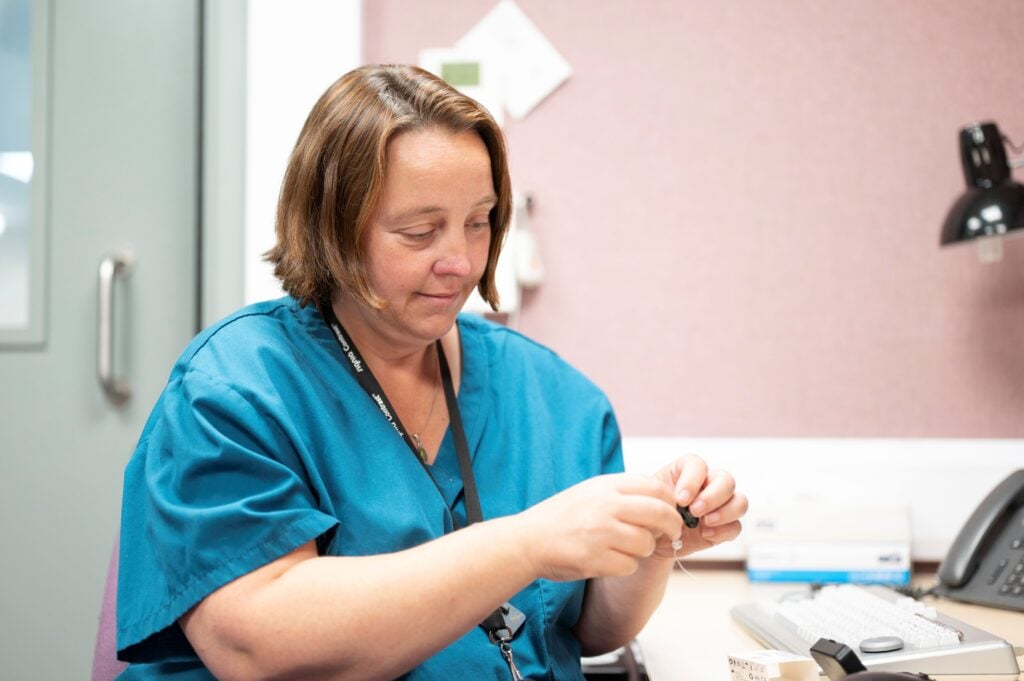
Care
- Ensuring that patients receive timely and appropriate care.
- Assessing and analysing patient needs and developing appropriate care plans.
- Clear written communication for documenting patient information and care plans.
- Problem solving for responding to unexpected situations or emergencies.
- Verbal communicating to build trust with patients and their families.
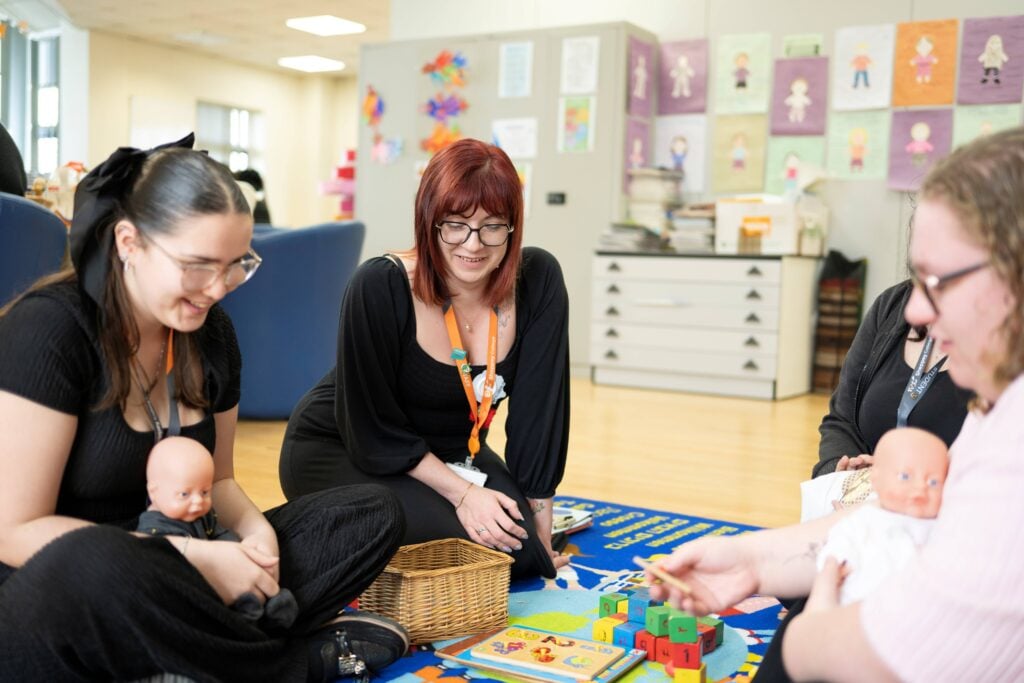
Education
- Effectively conveying information to students and colleagues.
- Adjusting teaching methods to cater to different learning styles.
- Planning and structuring lessons and curriculum.
- Addressing challenges in the learning environment.
- Active listening and understanding.
- Clear communication for teaching lessons.
Engineering
- Conducting thorough assessments for engineering projects.
- Mastering relevant engineering tools, software, and equipment.
- Staying updated on the latest technological advancements.
- Clearly conveying technical information to audiences.
- Collaborating with non-engineering stakeholders and clients.

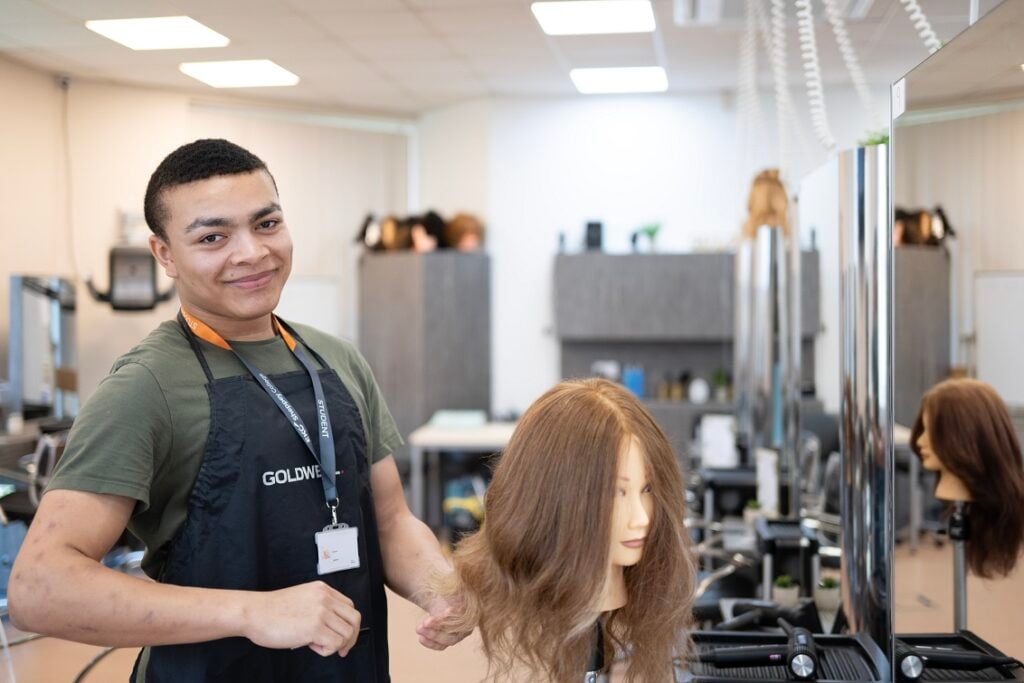
Hair and Beauty
- Efficiently scheduling and managing appointments.
- Completing services within a reasonable time frame to accommodate client schedules.
- Addressing client concerns to provide a positive salon experience.
- Performing precise and detailed work in hairstyling, cutting, and beauty treatments.
- Mixing colour using your mathematical skills.
Hospitality
- Efficiently handling tasks such as reservations, check-ins, and event coordination.
- Juggling multiple responsibilities to ensure smooth operations.
- Clear and concise communication, helping with your customer service skills.
- Working out final bills and helping guests to split their bill.

Retail
- Understanding product offerings and promoting sales.
- Organising and maintaining store displays to attract customers.
- Efficiently processing transactions and handling cash.
- Inventory handling and managing stock taking controls.
- Familiarity with various online and offline systems for accurate sales data.
Almost every industry uses English and Maths, so it is vital that you get these skills in order to progress to your next step, whether that be a career, further study, or promotion in your current role.
You can study both English and Maths GSCE, and Functional Skills Qualifications at EKC Sheppey College. Gaining these qualifications will add to your fundamental skills portfolio and help you prepare for working life.
More articles

EKC Sheppey College students start the year at Freshers’ Fayre

Celebrating the success of EKC Sheppey College GCSE Maths adult learners